Bond Cleaning Tips · Brisbane, QLD
How to Clean Grout in the Shower and on Tiles (Without Wrecking It)

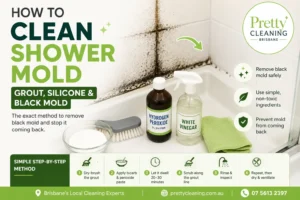
Spray the grout with a 1:1 white vinegar and warm water solution and let it sit for 10–15 minutes so it has time to break down soap scum and loosen mould. Scrub along the grout line with a stiff nylon brush (never wire), then rinse well. For black stains that won't budge, work a paste of bicarb soda and hydrogen peroxide into the grout, leave it for 20 minutes, then scrub and rinse. Finish by drying the area and running the exhaust fan so mould doesn't move straight back in.
A property manager in Paddington called us three days before a final inspection last month, convinced the tenant was going to lose part of their bond over the ensuite. The walls were fine. The mirror was fine. It was the grout — a network of hairline black lines running between every shower tile, the kind that makes an otherwise spotless bathroom look neglected. Two hours and a fair bit of elbow grease later, that grout was back to its original pale grey, and the tenant kept the lot.
We get some version of this call most weeks, so we put together the exact method our team uses on a real bond clean — the one that actually lifts mould and soap scum out of the grout lines, not just off the surface.
Why Grout Turns Black, Yellow or Patchy in the First Place
Grout is cement-based, which means it's porous — more like a very fine sponge than a sealed surface. Every shower sends soap residue, body oil, shampoo and the minerals in Brisbane's water supply straight into the grout lines between your tiles. In a humid bathroom that doesn't get much airflow, which describes a lot of older Queenslanders and units with small or window-less ensuites, that residue becomes the perfect food source for mould and mildew. That's what turns grout black or grey-green over time.
Yellow or orange staining is usually a different problem — a mix of soap scum and mineral buildup rather than mould, and it shows up most on floor grout, which also copes with everyday foot traffic and dust.
This isn't just a cosmetic issue. Mould living in grout releases spores into the bathroom air, and for anyone in the house with asthma or allergies, a mouldy shower recess can quietly make symptoms worse. Cleaning grout properly is as much about air quality as it is about how the bathroom looks.
What You'll Need Before You Start
- A stiff nylon grout brush or an old toothbrush — skip wire brushes, they scratch grout and give dirt more places to hide
- White vinegar
- Bicarb soda (bicarbonate of soda)
- Hydrogen peroxide (3% is fine) or an oxygen-based bleach powder, for stubborn black stains
- A spray bottle
- Rubber gloves, and eye protection if you're mixing a paste
- A microfibre cloth or old towel
- A grout sealer, for afterwards
- A squeegee, to make the next clean easier
How to Clean Grout in the Shower, Step by Step
-
1
Clear and dry-brush first
Remove bottles, mats and shower caddies, then run a dry brush along the grout lines to lift loose hair, soap flakes and surface dust. Cleaning solution works into dirt instead of just sitting on top of it.
-
2
Spray and let it dwell
Mix equal parts white vinegar and warm water in a spray bottle, coat the grout lines generously, and walk away for 10–15 minutes. This dwell time does most of the actual work — the acid in the vinegar softens mineral deposits and breaks down the outer layer of mould, so the scrubbing that follows takes far less effort.
-
3
Scrub along the line, not across it
Work the brush in short strokes that follow the direction of the grout line. Scrubbing across tiles flicks dirty water onto clean grout and pushes debris deeper into the pores instead of lifting it out.
-
4
Rinse thoroughly
Warm water first, then a final pass with a clean cloth to lift any remaining residue. Leftover vinegar or paste actually attracts more dirt if it's left to dry in the grout.
-
5
Treat stubborn black spots separately
For grout that's still visibly black or grey after step 4, mix bicarb soda with a small amount of hydrogen peroxide into a thick paste, press it into the grout line with an old toothbrush, and leave it for 20 minutes before scrubbing and rinsing again.
-
6
Dry and ventilate
Wipe the area dry, then run the exhaust fan or open a window for at least 20 minutes. Mould needs moisture to come back, so this last step is what actually keeps grout looking clean past day one.
How to Clean Grout on Bathroom and Kitchen Floor Tiles
Floor tile grout has a different problem to solve than shower grout. Instead of soap scum and constant moisture, it's dealing with dust, grit, dropped food and whatever gets tracked in from outside — all of which settles into the grout lines because they sit slightly lower than the tile surface.
Start by sweeping or vacuuming the floor properly. Skipping this step just turns your mop water into a grit slurry that gets pushed straight into the grout. Mop with warm water first to lift loose grime, then apply the same vinegar spray or bicarb paste used for shower grout, giving it the same 10–15 minute dwell time before you scrub.
For large areas like an open-plan kitchen or laundry, a handheld steam cleaner with a narrow nozzle attachment can save a lot of kneeling. The heat loosens grease-based grime that vinegar alone struggles with, particularly around a kitchen kickboard or oven surround — the same kind of buildup our Oven & BBQ Cleaning Brisbane team deals with every day.
The Bicarb-and-Vinegar Method for Stubborn Grout Stains
If there's one combination our team reaches for more than anything else, it's bicarb soda and vinegar — not because it's trendy, but because it's genuinely the easiest way to clean grout without damaging it. Vinegar is a mild acid that dissolves mineral deposits and breaks down the surface layer of mould. Bicarb is mildly abrasive and alkaline, so it lifts stains and neutralises odours without scratching the grout the way a harsher powder cleanser can.
For everyday maintenance, the vinegar spray on its own is usually enough. For grout that's been neglected for a while — think a rental bathroom before a bond inspection, or a floor that hasn't seen a deep clean in a year — make the bicarb into a paste with a little water or hydrogen peroxide, work it into the grout with a brush, and give it real dwell time rather than scrubbing harder. Patience does more of the work here than pressure.
Common Mistakes That Make Grout Worse, Not Better
- Reaching for a wire brush or metal scourer. It scratches the grout surface, and every scratch becomes a new place for dirt and mould to hide.
- Using neat bleach on coloured grout. It can fade or patch the colour, and repeated use gradually breaks the grout down, making it crumbly.
- Skipping the rinse. Leftover cleaning solution dries into a film that attracts dirt faster than dirty grout did in the first place.
- Not drying or ventilating afterwards. Mould only needs moisture and a few days to re-establish itself in freshly cleaned grout.
- Mixing cleaning products. Combining bleach with vinegar or ammonia-based cleaners produces a gas that's genuinely dangerous in a small bathroom.
- Pressure washing indoor grout on a high setting. It can blast out old or already-weak grout, turning a cleaning job into a regrouting job.
How to Keep Grout Clean for Longer
Cleaning grout properly is only half the job — the other half is making the next clean easier. A 30-second squeegee down the shower walls after each use stops soap scum from ever settling into the grout pores. Running the exhaust fan, or cracking a window, for 20 minutes after a shower keeps humidity from lingering long enough for mould to take hold. Resealing grout every 12 to 18 months helps too, since sealant sits on top of the pores rather than letting them absorb everything that touches them.
If a weekly wipe-down genuinely isn't realistic between work, kids and everything else, that's exactly the kind of recurring task our House Cleaning Brisbane team folds into a regular visit, so grout gets attention before it turns into a bigger job.
When Cleaning Isn't Enough
Not all grout problems are fixable with a brush and some patience. If grout is cracked, crumbling or missing in sections, cleaning it won't hold water out — that's a sign it needs to be raked out and replaced, not scrubbed harder. The same goes for black staining that returns within days of a proper clean. That's often a sign water is getting in behind the tiles rather than a cleaning problem at all, and it's worth having a professional take a look before it turns into something more expensive.
Grout is also one of the most common things that trips up a bond clean. It sits low to the ground, it's easy to skip over with a quick wipe, and it's exactly where a property manager's torch tends to end up during a final inspection.
Why Grout Matters So Much at a Brisbane Bond Inspection
We've inspected a lot of bathrooms across Brisbane over more than 10 years in this business, and grout comes up more than almost anything else on a re-clean request. Property managers checking a property against REIQ-style standards will run a finger along the shower grout and check the floor tiles in the bathroom and laundry specifically, because it's one of the easiest things for an outgoing tenant to underestimate.
If you're moving out of a property in Toowong, New Farm, Chermside or anywhere else across Greater Brisbane and grout is the one thing standing between you and your full bond back, it's worth weighing up your own time against getting it handled properly the first time. Every Bond Cleaning Brisbane job we do is backed by a 100% Bond Back Guarantee, and if a property manager flags anything — grout included — we come back within 72 hours and fix it at no extra cost. You can see exactly what's included, and get a fixed price before we start, on our End of Lease Cleaning Brisbane page.
Frequently Asked Questions
The questions our team gets asked most often about cleaning grout in the shower and on tiled floors.
What's the best way to clean grout in a shower?
Spray the grout with a 1:1 mix of white vinegar and warm water, leave it for 10–15 minutes, then scrub along the grout line with a stiff nylon brush and rinse well. For black staining, follow up with a bicarb soda and hydrogen peroxide paste left to sit for 20 minutes before scrubbing again.
How do I clean black mould out of grout without bleach?
Bicarb soda mixed with hydrogen peroxide into a thick paste is an effective bleach-free option. Press it into the grout line, leave it for 20 minutes so it has time to break the mould down, then scrub with a stiff brush and rinse thoroughly.
Is vinegar safe to use on grout and tiles?
Yes, diluted white vinegar is safe for cement-based grout and most ceramic and porcelain tiles. Avoid using it on natural stone tiles such as marble or limestone, since the acid can etch the surface over time.
How often should I clean the grout in my shower and on my floor tiles?
A quick vinegar wipe every one to two weeks stops soap scum and mould from building up, with a deeper scrub every one to three months depending on how humid the bathroom is and how much the floor gets used.
Can I use a steam cleaner on grout?
Yes, a steam cleaner with a narrow nozzle attachment works well on floor tile grout, especially in kitchens where grease has built up. It's used less often in showers because the surface is usually already damp from regular use.
Why does my grout keep turning black again a few days after I clean it?
This usually means moisture is lingering in the bathroom long enough for mould to re-establish itself, often because of poor ventilation. If black staining returns quickly even with good airflow, it can also point to water getting in behind the tiles, which is worth having checked.
Should I clean stained grout or just replace it?
If grout is discoloured but still solid and intact, cleaning will usually bring it back. If it's cracked, crumbling or missing in patches, it needs to be raked out and replaced, since cleaning won't restore its ability to keep water out.
Does a Pretty Cleaning bond clean include grout cleaning?
Yes. Grout in the shower, bathroom floor and any other tiled areas is included as standard in every Bond Cleaning Brisbane job, and it's backed by our 100% Bond Back Guarantee and free 72-hour reclean if a property manager flags anything.
Ready for Grout That Actually Stays Clean?
Whether you're maintaining your own bathroom or getting a rental ready for final inspection, our Brisbane team can take grout, tiles and everything else off your plate — fixed pricing, a 100% Bond Back Guarantee and a free 72-hour reclean if anything's flagged.
About the Pretty Cleaning Team
Pretty Cleaning is a Brisbane-owned cleaning company with more than 10 years of experience and over 1,200 completed jobs across Greater Brisbane. Every cleaner is police-checked, fully insured and trained on the same detailed, room-by-room checklist — including the grout, sinks and tiled areas property managers check most closely.
This guide is general information based on our team's day-to-day cleaning experience. For persistent mould behind tiles, water damage, or structural regrouting, we'd recommend getting a licensed trade professional to take a look.